

Does a sip of cold water or a bite of ice cream make you wince? If so, you are not alone.
Tooth sensitivity is a very common dental concern that affects roughly one in eight Canadians. While the sudden sensation can be unpleasant, the good news is that sensitive teeth are highly manageable with the right approach to dental care.
This week’s blog takes an in-depth look at the causes of tooth sensitivity and explores both at-home and professional solutions that can restore comfort
What Is Tooth Sensitivity?
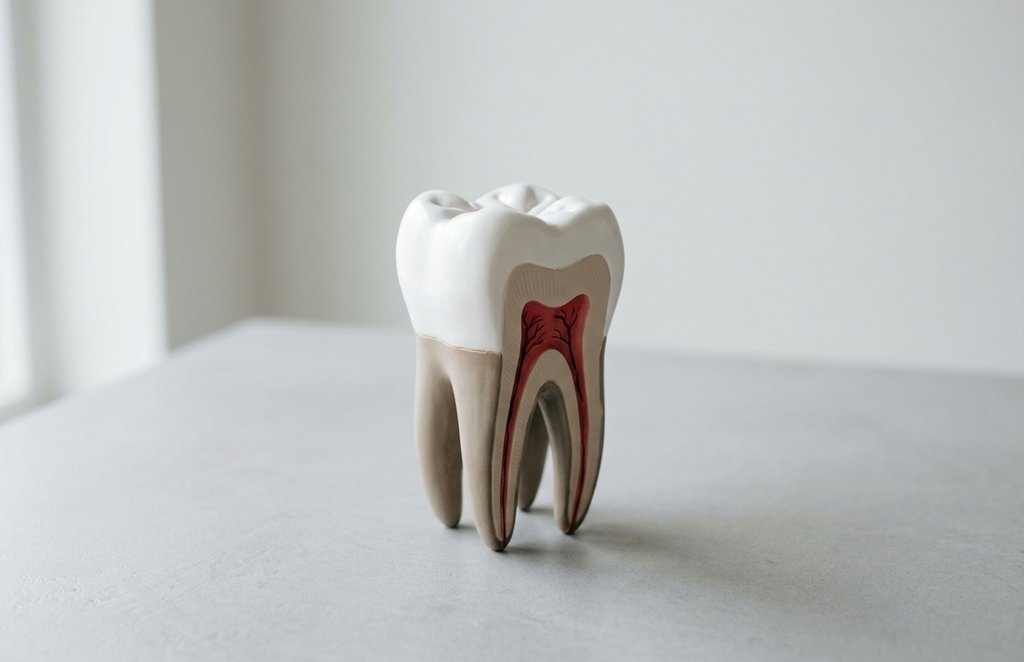
Tooth sensitivity occurs when the outer protective layer of the tooth, known as enamel, is worn away, exposing the soft inner layer called dentin. It can also be caused by gum recession, exposing the tooth root, which is not protected by hard enamel but by a softer tissue called cementum.
In both cases, thousands of microscopic tubules that connect to the tooth’s nerve center are exposed. External stimuli such as cold temperatures, sweet foods, or acidic drinks can travel through these pathways and trigger a sharp sensation of discomfort.
In many cases, tooth sensitivity is temporary and occurs only when certain triggers are present. This is different from the ongoing discomfort associated with a cavity or infection. The main difference between the two is that common tooth sensitivity tends to be brief and sharp, while cavity-related discomfort usually lingers.
Occasional sensitivity is common. However, if a sensitive tooth reacts consistently or the sensitivity increases over time, it is important to consult a dental professional. Identifying the underlying cause early often leads to simpler and more effective treatment.
What Causes Tooth Sensitivity?
Tooth sensitivity can develop for a variety of reasons, many of which relate to gradual changes in the enamel or gums. Here are three of the more common causes.
Enamel erosion
Frequent exposure to acidic foods and beverages can gradually wear down the protective enamel layer. For example, acidic foods, such as citrus fruits and tomatoes, can weaken enamel over time, making teeth more vulnerable. Acidic beverages, including soda, wine, and sports drinks, contribute to enamel erosion and increase the likelihood of sensitivity.
Using a hard-bristle toothbrush or brushing too hard may wear away enamel over time. Teeth grinding, also known as bruxism, is another factor that can gradually erode enamel through repeated pressure and friction.
Natural aging also plays a role. Over the years, enamel wears down, which may make teeth more susceptible to sensitivity.
Gum recession
Gum recession exposes the root surfaces of the teeth. Which become more vulnerable to temperature changes and other factors that can lead to tooth sensitivity.
It may occur due to gum disease, aggressive brushing, or genetic factors that cause thinner gum tissue. Age-related changes in gum position can also contribute to teeth sensitivity.
Dental issues
Tooth decay near the gum line, cracked or chipped teeth, or worn dental fillings can expose dentin and create tooth discomfort. In these cases, professional treatment is usually required to resolve the issue.
Common Triggers for Sensitive Teeth
Temperature is one of the most common factors in tooth sensitivity. For example, ice cream, cold water, and iced drinks can trigger discomfort. Additionally, hot foods and beverages such as coffee, tea, or soup and even breathing in cold air may also lead to tooth sensitivity.
Candy, sweetened beverages, and crunchy foods such as chips and hard bread crusts can also aggravate sensitive areas on or around the teeth.
Daily habits can also play a role in triggering tooth sensitivity. Some people notice discomfort when brushing, flossing, or using alcohol-based mouthwashes, especially if gum recession is present.
Recognizing these triggers is an important step in learning how to help sensitive teeth and reduce daily discomfort.
Immediate Relief Solutions for Tooth Sensitivity
If your teeth hurt when eating or drinking, there are several simple strategies you can use to get relief while protecting your enamel.
Avoiding trigger foods such as cold drinks, acidic beverages, and very sweet foods can also temporarily lessen discomfort. Drinking room-temperature water instead of ice-cold water, or using a straw when consuming acidic beverages, can reduce direct contact with sensitive areas.
After consuming acidic foods or beverages, it is best to wait about thirty minutes before brushing to allow the pH in your mouth to normalize and prevent any damage that could be caused by tooth brushing.
Chewing sugar-free gum containing xylitol may stimulate saliva production, which naturally helps neutralize acids and protect teeth.
Following a proper oral hygiene routine is also critical to reducing discomfort. Teeth should be brushed with a soft-bristle toothbrush, using gentle circular motions rather than vigorous scrubbing. Use fluoride toothpaste, as it strengthens enamel and provides additional protection.
Desensitizing toothpaste is often a primary recommendation for managing tooth sensitivity. These specialized toothpastes contain ingredients that help block the microscopic tubules in dentin, preventing external stimuli from reaching the tooth’s nerve. With consistent use, many patients report improvement within a few weeks.
A gentle saltwater rinse can also soothe irritated gum tissue. Mixing warm water with a small amount of salt and swishing gently may help reduce inflammation around sensitive areas.
These solutions are all meant to provide temporary relief. However, if tooth sensitivity persists, it may indicate an underlying issue that requires treatment at your dentist’s office.
Professional Treatment Options for Sensitive Teeth
When at-home strategies are not enough, several professional, sensitive-teeth treatment options can provide lasting relief.
Fluoride treatments are among the most common solutions. During a routine dental visit, concentrated fluoride can be applied directly to the tooth surface to strengthen enamel and help cover dentin tubules, reducing sensitivity.
Dentists may also apply professional desensitizing agents or bonding materials to exposed dentin to prevent irritants from reaching the nerve.
Dental restorations can address structural problems that cause tooth sensitivity. Fillings can repair areas of decay, while crowns may protect cracked or severely worn teeth.
Gum grafting may be recommended for patients with significant gum recession. This procedure involves placing a small amount of gum tissue over exposed roots to restore protection and reduce sensitivity.
If teeth grinding is contributing to enamel wear, a custom night guard may be recommended. This appliance is worn during sleep and protects teeth from grinding-related damage.
At Yonge Eglinton Dental, we are passionate about helping our patients with tooth sensitivity have healthy, beautiful smiles with safe, practical solutions that provide relief from discomfort. Call us anytime when you or your family need dental health support. We are here to help!
Get Customized Solutions for Tooth Sensitivity with Help from our Dentists at Yonge and Eglinton
Contact Yonge Eglinton Dental when you are ready to optimize your oral health. We will work together to ensure your teeth and gums look great and are as strong and healthy as possible. Make an appointment for an office visit today by calling our office at 416-932-2222 or booking online. We look forward to seeing you!
Frequently Asked Questions About Tooth Sensitivity Solutions
How long does it take for desensitizing toothpaste to work?
Most people notice improvement within one to two weeks of twice daily use. For best results, apply a small amount directly to sensitive areas for one full minute three times a day, and continue using the toothpaste consistently.
Can teeth whitening cause sensitivity?
Yes, temporary sensitivity is common after whitening treatments. Sensitive teeth after whitening typically improve within a few days. Your dentist can recommend gentler whitening options if sensitivity is a concern.
Is tooth sensitivity a sign of a cavity?
Not always. Tooth sensitivity can result from enamel erosion, gum recession, or teeth grinding. However, if a sensitive tooth continues to react or the sensitivity is localized, a dental evaluation is recommended.
Will sensitive teeth go away on their own?
Temporary sensitivity after dental procedures often improves naturally. However, sensitivity caused by enamel wear or gum recession usually requires treatment to prevent further progression.
Can I still have my teeth cleaned if they are sensitive?
Yes. Inform your dental hygienist about your sensitivity before the appointment. Adjusted techniques and desensitizing agents can make the cleaning more comfortable.
Are sensitive teeth more likely to develop cavities?
Areas where dentin is exposed may be more vulnerable to decay than enamel protected surfaces. This makes regular dental visits and proper oral hygiene especially important.
What is the best sensitive teeth treatment?
The most effective treatment depends on the cause. Options range from desensitizing toothpaste and fluoride treatments to dental bonding, gum treatments, or restorative procedures.