

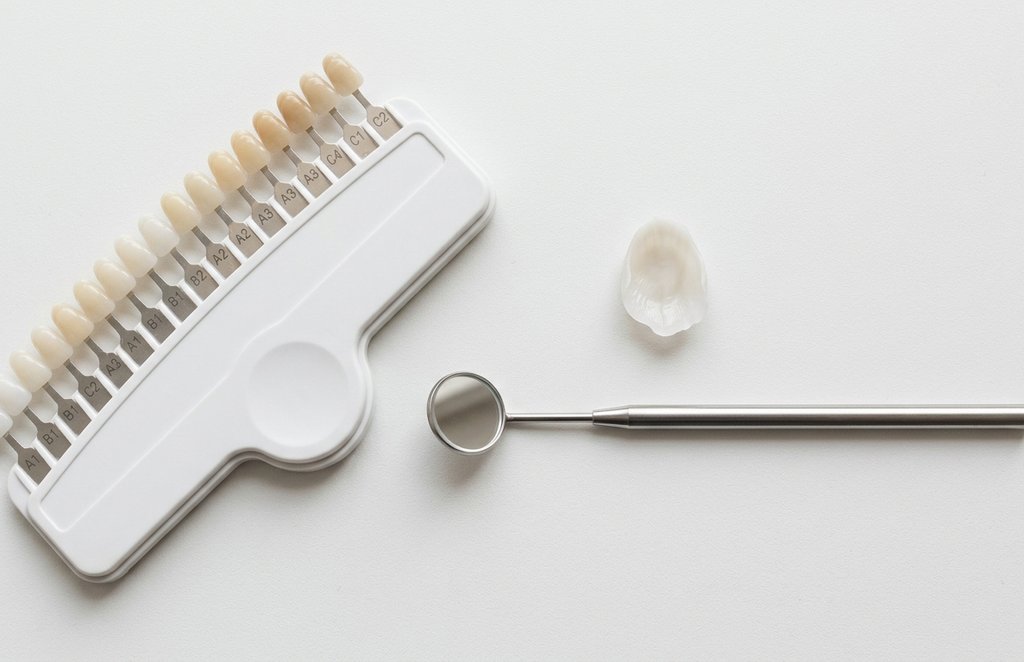
Everyone wants a healthy, bright smile to share with the world. At Yonge Eglinton Dental, we want that for you too!
Cosmetic dentistry offers safe, viable solutions to help you achieve the smile you have always wanted. Two of the most popular cosmetic dentistry options are tooth bonding and veneers. Although both treatments can improve the appearance of your teeth, they do so in very different ways. Understanding how they compare will help you choose a solution that fits your needs, lifestyle, and comfort level.
In this article, we examine both processes so you can make an informed decision about which cosmetic dentistry option is best for you.
What Is Dental Bonding?
Dental bonding is a treatment that uses a tooth-coloured composite resin to improve the appearance of a tooth. It is well-suited to small, targeted improvements, such as repairing minor chips, closing small gaps, reshaping uneven edges, and masking areas of discolouration. It can also lengthen a tooth that appears slightly shorter than its neighbours, creating better symmetry across your smile.
Another important advantage of dental bonding is how little it affects your natural tooth. In most cosmetic cases, little to no enamel needs to be removed, making bonding one of the more conservative options in cosmetic dentistry.
What are Veneers?
Veneers can help you achieve results similar to dental bonding, but with a different approach. Rather than adding material in small areas, veneers cover the front surface of a tooth with a thin, custom-made shell. These shells are most often crafted from porcelain, though composite options are also available.
Patients often choose veneers over other cosmetic dental procedures when they need more comprehensive changes to their smile, such as solving deeper discolouration that does not respond to whitening treatments, reshaping worn or uneven teeth, and improving the look of multiple teeth at once. In other words, veneers are usually the ideal solution for broader smile transformations.
What to Expect in Dental Bonding and Veneer Procedures
The experience of getting bonding versus veneers is quite different, and that difference may be an important factor in which procedure you choose.
Dental bonding
The dental bonding process is typically straightforward. A conditioning gel is applied to the teeth, and then the dentist then adds the composite in layers, shaping it by hand before hardening it with a special light. Once the desired form is achieved, the surface is polished to match the surrounding teeth. In many cases, freezing is not required, which keeps the appointment simple and efficient.
Most dental bonding procedures can be completed in a single visit because there is no waiting for dental appliances to be crafted in a lab.
Veneers
Veneers usually involve two visits. During the first visit, a small amount of enamel is removed from the teeth where the veneers will be applied. Impressions or digital scans are taken of your teeth, and temporary veneers may be placed while the final restorations are crafted in a lab. At the second visit, the temporary veneers are removed, and the composite resin or custom porcelain veneers are bonded in place, creating a refined, uniform appearance.
It is important to note that since enamel does not regenerate, traditional porcelain veneers are considered a long-term commitment. In other words, once a tooth has been prepared for a veneer, it will always need a veneer or a similar restoration moving forward.
Your dentist will explain the steps necessary to complete each treatment so you know what to expect before proceeding.
Durability and Longevity of Dental Bonding and Veneers
One of the most common questions we receive about dental bonding and veneers is how long each treatment lasts.
The composite resin used in bonding is strong, but it is not as resistant to wear and staining as the porcelain used in veneers. Over time, the resin can pick up surface stains from coffee, tea, red wine, and other food and beverages. The resin also does not respond to whitening treatments in the same way natural enamel does.
With good care, the dental bond can last a very long time before requiring touch-ups or replacement.
Conversely, porcelain veneers are known for their durability. They are highly resistant to staining and wear, which helps them maintain their appearance over time. With proper oral hygiene and regular dental visits, porcelain veneers can last 10 years or longer.
However, materials alone do not determine the lifespan of either attachment. Habits such as tooth grinding or clenching, biting hard objects, and daily oral care all play a role. Your dentist may recommend a night guard if tooth grinding is a concern, regardless of which option you choose. Find authoritative information on veneers from the Canadian Dental Association.
Choosing Between Dental Bonds and Veneers
Choosing between dental bonding and veneers comes down to a few key considerations, such as:
- Are you improving one tooth, a few teeth, or your entire smile?
- Do you prefer a reversible option or are you comfortable with a long-term commitment?
- How important is stain resistance to you?
Other factors include the thickness of your enamel, your bite, and your overall oral health, all of which will require an examination by your dentist to determine.
At Yonge Eglinton Dental, we work closely with our patients to determine which dental health procedures are most suitable to deliver the healthy, beautiful smiles they deserve. Our recommendations are based on decades of experience helping patients achieve the smile they have always wanted with safe, effective procedures that prioritize long-term dental health.
If you are considering dental bonding, veneers, or any other type of dental procedure, make an appointment with our friendly, professional dental health team for solutions you can rely on. We are here to help!
Explore Dental Bonding and Veneers with Help from our Dentists at Yonge and Eglinton
Contact Yonge Eglinton Dental when you are ready to optimize your oral health. We will work together to ensure your teeth and gums look great and are as strong and healthy as possible. Make an appointment for an office visit today by calling our office at 416-932-2222 or booking online. We look forward to seeing you!
Frequently Asked Questions About Dental Bonding and Veneers
Which lasts longer: bonding or veneers?
Porcelain veneers generally last longer than composite bonding because they are more resistant to wear and staining. However, habits such as grinding and daily oral care significantly impact longevity.
Is bonding or veneers better for a chipped front tooth?
A single chipped tooth is often well-suited to bonding. It can usually be completed in one visit, and is easy to revise. Veneers may be considered if the chip is part of a broader cosmetic concern.
Do veneers damage your teeth?
Veneers require the removal of a thin layer of enamel, which does not grow back. This makes the treatment a long-term commitment, but it does not mean the teeth are harmed when the procedure is properly planned and maintained.
Can bonding look as natural as veneers?
Bonding can look very natural, especially for small adjustments. For larger, multi-tooth changes, veneers often provide a more uniform and stain-resistant finish.
Can you switch from bonding to veneers later?
Yes. One advantage of bonding is that it preserves most of the natural tooth, making it possible to move to veneers in the future if desired.