

Most people notice at some point that their teeth are not as bright as they would like, or that they are not quite as white as they used to be. In fact, teeth yellowing is one of the most common cosmetic concerns patients bring to the dentist. They also often ask why it happens when they have been very diligent about their oral care.
The truth is that yellowing is, in many cases, actually quite natural. In this article, we unpack what causes yellowing so you can help prevent staining and choose the most effective way to restore a brighter, healthier-looking smile.
How Tooth Colour Works: A Quick Look at Enamel and Dentin
To help you better understand tooth discolouration, let us look at what gives your teeth their colour in the first place.
Each tooth has two primary layers that influence its appearance. The outer layer, called enamel, is the hard, protective shell you see when you smile. While many people think enamel is bright white, it is actually slightly translucent. Beneath it lies your tooth’s dentin, which is naturally yellowish in tone.
This combination determines your overall tooth shade. If your enamel is thicker and more opaque, your teeth may appear lighter. If it is thinner or more translucent, more dentin shows through, making your teeth appear darker or yellower.
It is also important to recognize that there is no single “ideal” shade of white. According to the Canadian Dental Association, your teeth’s natural colour lies with a range from light greyish-yellow tones. Genetics also plays a significant role, meaning some people are naturally predisposed to have teeth that look more yellow than others.
Extrinsic Staining: Surface-Level Discolouration
Extrinsic staining refers to discolouration that occurs on the outer surface of the teeth. These stains develop when pigmented substances settle into the microscopic ridges of enamel over time. This is the type of staining most people notice first, and it is often linked to everyday habits.
For example, drinking coffee and tea are among the most common culprits as they contain tannins that make it easier for pigments to cling to enamel. Red wine also presents a double challenge because it is both highly pigmented and acidic, which means it not only stains the surface but can also soften enamel slightly, making it more susceptible to future staining.
Deeply coloured foods such as blueberries, beets, tomato-based sauces, and curry can also stain your teeth, as can dark-coloured beverages such as cola, sports drinks, and certain fruit juices.
Tobacco use is another major factor. Tar and nicotine create stubborn brown and yellow stains that can become deeply embedded over time.
The encouraging news is that extrinsic stains are the easiest to address. Professional in-office cleanings and professional whitening treatments can significantly reduce or eliminate these surface stains, often producing noticeable improvements to your smile.
Intrinsic Staining: Discolouration from Within
Intrinsic staining is more complex because it originates within the tooth, specifically in the dentin layer, which makes it more difficult to treat.
One of the most common causes is aging. Over time, enamel naturally wears down and becomes thinner, making more of the yellow dentin beneath visible. This gradual process is a primary reason why teeth tend to yellow with age.
Certain medications can also affect tooth colour. For example, tetracycline antibiotics taken during childhood can lead to permanent discolouration. Some chemotherapy treatments and blood pressure medications have also been associated with changes in tooth shade.
Trauma is another contributing factor to discolouration. A tooth that has experienced an injury may darken over time as the internal structure responds to the damage.
In most cases, teeth will yellow at the same rate. However, changes in the colour of a single tooth, especially if sudden, should always be evaluated by a dentist. This can sometimes indicate an underlying issue that needs attention.
Habits That Help Prevent Staining
Some causes of yellow teeth are unavoidable, even if you brush your teeth twice per day and maintain excellent oral hygiene. However, there are many ways to help minimize staining and preserve your natural tooth colour, including:
- Rinse your mouth with water after consuming coffee, tea, or other staining substances helps wash away pigments before they settle
- Use a straw for darker beverages to reduce direct contact with your teeth
- Brushing twice daily with fluoride toothpaste helps control the buildup that contributes to surface discolouration
- Wait about 30 minutes after consuming acidic foods or drinks to allow tooth enamel to re-harden and reduce the risk of wear
See your dentist regularly for professional cleanings that remove hard-to-reach plaque and tartar that can trap stains and make teeth appear darker over time.
Your dentist can also monitor for early signs of enamel erosion and recommend preventive strategies to protect your smile.
How Professional Whitening Options from Your Dentist Can Help
Professional teeth whitening treatments at your dentist’s office offer the most reliable results when you want your teeth to have a whiter, more lustrous appearance.
In-office whitening uses high-concentration bleaching agents carefully monitored by your dentists to protect your gums and soft tissues. Most procedures take under one hour to complete, and many patients see visible improvements after just one visit.
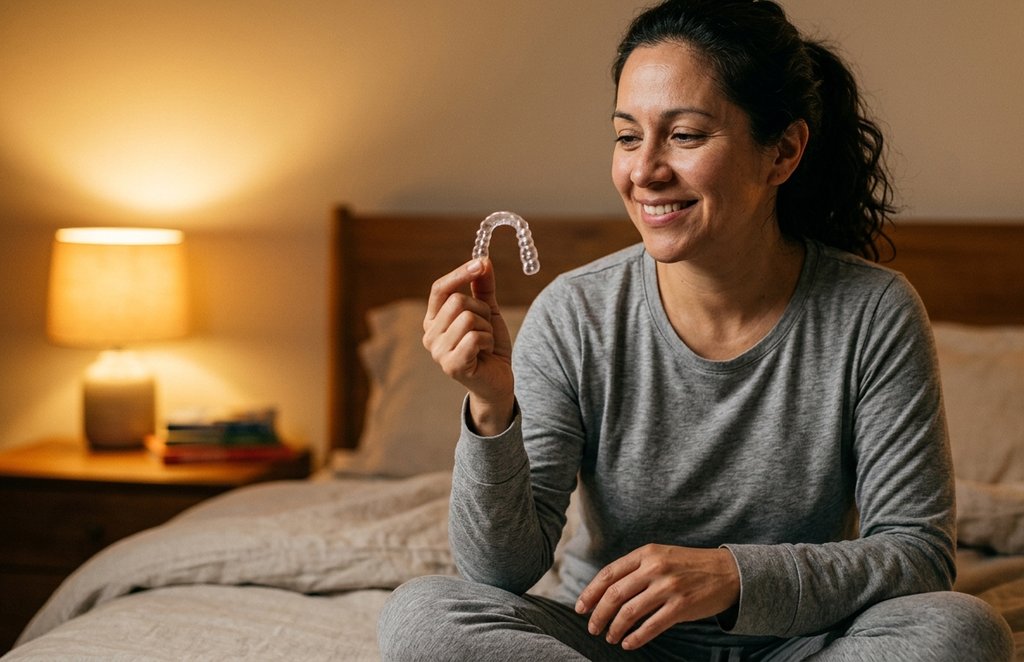
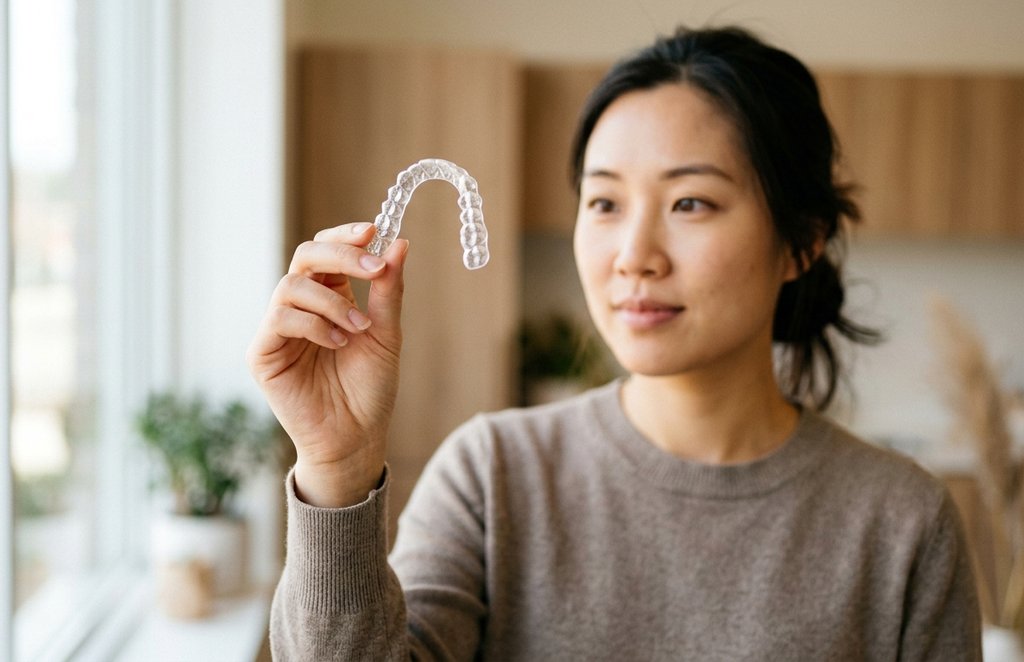
Take-home whitening systems from your dentist offer another effective option. These involve custom-fitted trays and professional-grade gel that you use at home according to your dentist’s instructions. Results develop more gradually but can be just as effective.
There are also over-the-counter options available, but they use standard, non-custom trays that can leave you disappointed with the results.
It is important to note that intrinsic stains or teeth discoloured by trauma do not always respond well to standard whitening treatments. In some cases, alternative solutions such as bonding or veneers may be more effective. Your dentist will need to diagnose the underlying cause of the discolouration before making treatment recommendations.
If you are unhappy with the colour of your teeth and would like to explore safe and effective treatment options, call the expert team here at Yonge Eglinton Dental. We specialize in helping your whole family enjoy healthy, happy, and bright smiles that last a lifetime!
Enjoy Professional Teeth Whitening Solutions with Our Dentists at Yonge and Eglinton
Contact Yonge Eglinton Dental when you are ready to optimize your oral health. We will work together to ensure your teeth and gums look great and are as strong and healthy as possible. Make an appointment for an office visit today by calling our office at 416-932-2222 or booking online. We look forward to seeing you!
Frequently Asked Questions About Why Teeth Turn Yellow
Why are my teeth yellow even though I brush every day?
Brushing removes plaque and some surface stains, but it does not reverse intrinsic discolouration, enamel thinning, or genetic factors. Diet, aging, and medications all contribute to tooth colour. A dental assessment can identify the cause and guide the best solution.
Can yellow teeth become white again?
In many cases, yes. Surface stains respond well to professional whitening. However, intrinsic staining may require treatments such as bonding or veneers for more noticeable improvement.
Does coffee permanently stain teeth?
Coffee can cause staining over time, but the effects are not permanent. Professional cleanings and whitening treatments can effectively reduce or remove these stains.
Is teeth whitening safe?
Professional whitening performed under dental supervision is considered safe and effective. Some patients experience temporary sensitivity, but this is usually manageable. A consultation is recommended before starting any treatment.
At what age do teeth start to yellow?
Teeth naturally begin to yellow as enamel thins with age. Many people notice changes in their 30s or 40s, although the timing varies based on genetics and lifestyle factors.
Are whitening toothpastes effective?
They can help reduce surface stains but have limited impact on deeper discolouration. Their results are typically more subtle compared to professional whitening treatments.
What causes yellow teeth the most?
The most common causes include aging, diet (especially staining foods and beverages), tobacco use, and natural genetics. In many cases, multiple factors contribute at once.