

As children, we almost consider loose baby teeth a rite of passage we must all experience while growing up.
However, loose adult teeth hit differently. We do not expect them to happen, and might not be sure what to do.
Fear not! The best approach if you notice a wiggly tooth is to stay calm and, with the assistance of your dentist, get to the “root” cause of the issue to keep your smile strong and healthy.
Why Do Adult Teeth Become Loose?
In most cases, the causes of a loose adult tooth are manageable once identified by your dentist. Here are some of the most common reasons adult teeth can suddenly feel wobbly, and how your dentist can help.
Gum Disease
One of the most common reasons for a loose tooth in an adult is gum disease, also known as periodontal disease.
Gum disease develops when plaque bacteria affect the gums and the bone that help support your teeth. Signs of gum disease include bleeding when brushing or flossing, changes in the colour of your gums, or gums that appear to be pulling away from your teeth. A loose tooth can also be a sign that the supporting structures around the tooth need attention.
The good news is that gum disease can often be prevented, and in its early stages, it can be turned around. The earlier changes are identified, the more options your dentist may have to help manage the condition and protect your teeth.
In many cases, professional cleaning may be recommended to remove plaque and tartar. When needed, root planing may be used to clean below the gumline. Your dentist may also recommend a tailored at-home dental care routine that supports healthier gums.
Impact or Injury
A loose tooth can also result from an injury, such as a fall, impact while playing sports, or even biting down unexpectedly on something hard.
If a tooth feels loose after an impact, it should be checked by your dentist promptly. A tooth affected by a one-time injury can often be assessed, stabilized, and monitored as the surrounding tissues settle.
In the meantime, rinse your mouth gently with warm water and, if possible, avoid chewing on that side. Try not to keep testing the tooth by pushing or wiggling it. Also, if the tooth has been loosened by an impact while playing sports, consider wearing a custom sports mouthguard to help prevent further injury.
Teeth Grinding and Clenching
Waking up with jaw soreness or noticing that your teeth look worn or flattened can be a sign of tooth grinding and clenching, a condition known as bruxism.
Persistent grinding or clenching places repeated pressure on your teeth and the surrounding structures. Over time, that excess force can cause a tooth to feel loose.
Other signs that grinding may be involved include:
- Jaw soreness, particularly after waking
- Morning headaches
- Worn or flattened teeth
- Increased tooth sensitivity
A loose tooth from grinding is something your dentist can evaluate and manage. A custom night guard is a common approach to help protect your teeth from the repeated pressure caused by bruxism.
Bite and Alignment Issues
Sometimes, the issue causing loose adult teeth is simply mechanical. When your teeth do not meet evenly, certain teeth may absorb more force than others. Over time, that uneven pressure can contribute to looseness.
This is not necessarily a reflection of poor dental care. Your bite is simply the way your upper and lower teeth come together, and your dentist can evaluate whether one tooth is receiving more pressure than it should.
During your examination, your dentist may identify uneven tooth contact. In some cases, a small bite adjustment by gently polishing or reshaping tiny spots of tooth enamel may help your upper and lower teeth meet evenly, redistributing the pressure.
Hormonal Changes, Including Pregnancy
Hormonal changes can also affect your gums, potentially leading to wiggly teeth. For example, hormonal changes during pregnancy can make the gums more reactive to plaque. This may lead to swelling, tenderness, and changes that can make a tooth feel slightly loose.
This does not necessarily mean there is lasting harm. Gum sensitivity associated with hormonal changes is often temporary and may improve with good daily gum care and professional dental cleanings.
Can a Loose Tooth Be Saved?
Many people immediately wonder, “Can a loose tooth be saved?”, when they notice one of their adult teeth wiggles. Yes, typically it can be saved with timely intervention and treatment.
For example, depending on the severity of the situation, your dentist might recommend splinting the tooth. This involves gently joining the tooth to stable neighbouring teeth, providing additional support while the surrounding tissues settle.
The truth is that you can maximize your chances of correcting the problem by visiting your dentist for an assessment and diagnosis before any underlying issue can progress.
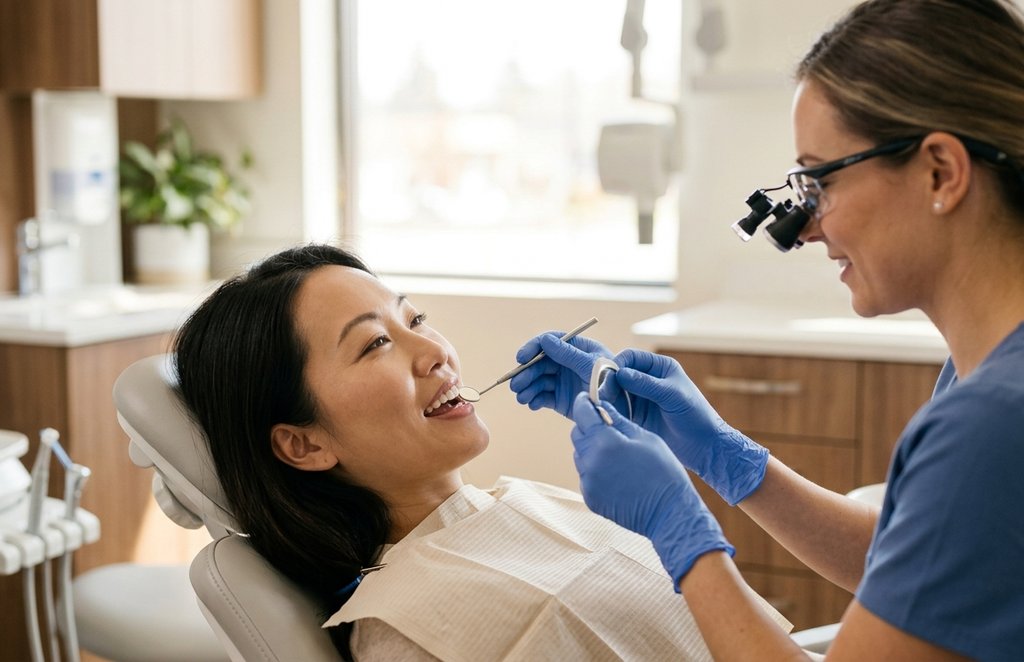
Here at Yonge Eglinton Dental, we offer thorough examinations and practical solutions to help restore your smile. At your appointment, our team will gently assess the tooth to determine the extent of the movement and identify any surrounding structures that may be affected, which can include X-rays to thoroughly evaluate the health of the roots and the bone supporting the tooth. We may also check your gums for signs of gum disease, assess your bite, ask about recent injuries, grinding or clenching, sensitivity, or other changes you have noticed.
Once we understand why the tooth feels loose, we will discuss all of the treatment options that may be appropriate for your situation and answer all your questions so you can make an informed decision with confidence.
The next time you notice that a tooth feels looser than it should, give our office a call. We are here to help you enjoy a healthy, happy smile for life!
Learn More About Loose Adult Teeth from our Dentists at Yonge and Eglinton
Contact Yonge Eglinton Dental when you are ready to optimize your family’s oral health. We will work together to ensure your teeth and gums look great and are as strong and healthy as possible. Make an appointment today by calling 416-932-2222 or booking online. We look forward to seeing you!
Frequently Asked Questions About Loose Adult Teeth
Can a loose adult tooth tighten back up?
In many cases, yes, though it depends on what is causing the looseness and how early it is looked at. When an underlying issue such as gum inflammation, grinding, or uneven bite pressure is identified and addressed, a tooth can often stabilize. In some situations, your dentist may recommend splinting the tooth to its neighbours for additional support.
Should I wiggle a loose tooth to see how loose it is?
It is best not to. Wiggling or pressing on the tooth can irritate the area and does not reliably tell you what is happening beneath the gumline. Leave the tooth alone and arrange for your dentist to examine it.
When should I see a dentist about a loose tooth?
It is worth booking an appointment as soon as you notice that an adult tooth feels loose. There is no need to wait for it to feel worse. If the looseness occurred after an injury, arrange to be seen promptly.
Does a loose tooth always mean I will lose it?
No. A loose tooth is a signal that something should be checked, not a conclusion about what will happen. Many causes are manageable once identified, and your dentist will focus on preserving your natural tooth wherever possible.
Can a night guard help with a loose tooth from grinding?
If grinding or clenching is contributing to the looseness, a custom night guard may help reduce the repeated pressure on your teeth. Your dentist can assess whether grinding is a factor and recommend the most appropriate approach for you.
Is a loose tooth during pregnancy something to worry about?
Hormonal changes during pregnancy can make gums more reactive and may cause a tooth to feel slightly loose. This is often temporary. Good gum care and professional dental cleaning can help, and it is a good idea to mention any changes at your dental visit.
Can I eat if I have a loose tooth?
It is generally best to avoid chewing directly on the loose tooth until your dentist has assessed it. Choose the other side of your mouth when possible and avoid repeatedly testing the tooth with your tongue or fingers.