

Imagine feeling relieved that you finally got that cavity treated, only to notice a sharp response to cold water or a warm cup of coffee later that day. This new discomfort may leave you wondering if there is another issue with your tooth.
The good news is that, in most cases, there is little to worry about. Tooth sensitivity after a filling is surprisingly common and usually temporary. However, when sudden discomfort catches you off guard, it can raise questions and concerns.
In this blog, we look at why tooth sensitivity after a filling occurs, how long it should last, and when it signals the need for follow-up dental care, to help you feel confident and in control after your appointment.
Why teeth can feel sensitive to cold or hot after a filling
Teeth often feel sensitive after a filling because the procedure temporarily disrupts the tooth and surrounding tissues.
During treatment, the dentist removes decayed material and prepares the tooth surface to hold the filling securely. This work takes place very close to the inner layers of the tooth, where microscopic channels, known as tubules, connect to the tooth nerve.
When these tubules are exposed or irritated, they can transmit sensations more easily. That is why cold air, chilled drinks, or hot foods may feel more intense than usual after a filling. This reaction is not necessarily a sign that something has gone wrong. Instead, it is the tooth responding to recent dental work.
The type of filling material can also influence the outcome. For example, composite resin, which is often used for natural-looking restorations, bonds directly to the tooth structure. As it hardens, it may cause minor changes in the tooth that initially increase sensitivity. Similarly, metal fillings conduct heat readily, which can also cause brief discomfort with sudden changes in temperature.
How long does tooth sensitivity typically last?
For most patients, sensitivity after a filling is temporary. Mild to moderate sensitivity to temperature or pressure often improves within a few days and continues to fade over the following two weeks. During this time, the tooth gradually adapts as the nerve settles and the surrounding tissues recover.
In some cases, sensitivity may persist longer, particularly if the cavity was deep or near the nerve. However, this does not necessarily indicate a problem, as teeth requiring more extensive restoration can require additional time to stabilize.
What matters most is that sensitivity steadily improves, indicating normal healing. Sensitivity that remains intense, worsens over time, or interferes with everyday activities should be investigated by your dentist.
It is also worth noting that sensitivity may feel different depending on the trigger. For example, a brief response to cold that fades quickly is often normal. Conversely, persistent sensitivity after the trigger is removed may suggest that the tooth needs further evaluation.
Tips for managing it at home
While your tooth is healing, a few simple changes can help reduce sensitivity and support recovery:
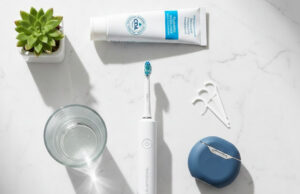
- Brush with a soft-bristled toothbrush and avoid aggressive scrubbing to avoid irritating the area
- Choosing foods and drinks at room temperature to reduce sudden temperature changes on your teeth until the sensitivity is gone
- Using a toothpaste designed for sensitive teeth may help by calming the nerve pathways inside the tooth over time
- Chew on the side of your mouth that does not hurt as a temporary fix when you feel oral discomfort
When to call the dentist about tooth sensitivity
There are a few relatively rare cases where you should contact your dentist if you are experiencing sensitivity after a filling, such as:
- Sensitivity that does not improve after one to two weeks
- Discomfort that persists or intensifies rather than fades
- An aching feeling when biting down that does not improve over time
- Sensitivity that occurs without an apparent trigger or that radiates to other areas of the mouth
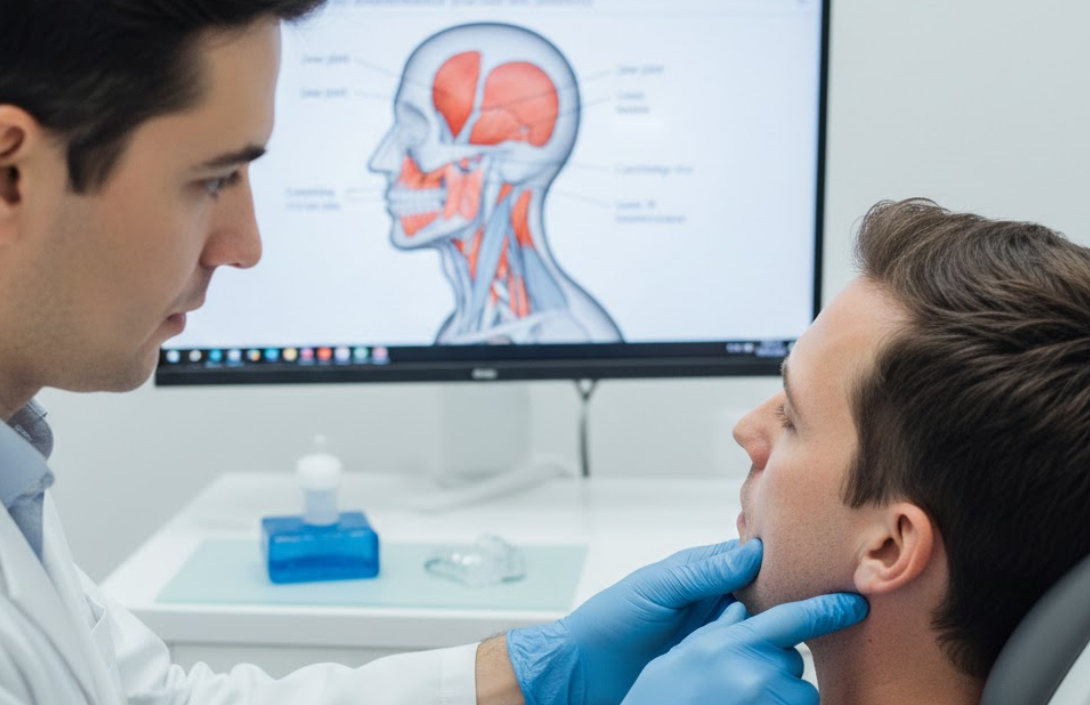
If you are experiencing any of the above symptoms after a filling, feel free to contact our expert team at Yonge Eglinton Dental. We will welcome you into our office, listen to your concerns, and conduct a thorough examination to diagnose the issue and quickly and accurately make treatment recommendations.
Call our team whenever you need help with your oral health. We are here for you and your whole family!
Recover from Tooth Sensitivity After a Filling with Help from our Dentists at Yonge and Eglinton
Contact Yonge Eglinton Dental when you are ready to optimize your oral health. We will work together to ensure your teeth and gums look great and are as strong and healthy as possible. Make an appointment for an office visit today by calling our office at 416-932-2222 or booking online. We look forward to seeing you!
Frequently Asked Questions about Tooth Sensitivity After a Filling
Is tooth sensitivity after a filling always normal?
Mild sensitivity is common, especially to temperature changes. It usually improves within 1 to 2 weeks. However, persistent or worsening sensitivity should be evaluated by a dentist.
Can a filling cause sensitivity months later?
Sensitivity that appears long after treatment is less common and may indicate wear, bite changes, or a filling issue.
Can the size of the cavity affect sensitivity?
Yes. Deeper cavities are closer to the tooth nerve and are more likely to cause temporary sensitivity after a filling.
Will sensitivity go away on its own?
In most cases, yes. Sensitivity often fades as the tooth heals. If it does not improve, a professional evaluation by your dentist is recommended.
How can I prevent sensitivity after future fillings?
Maintaining good oral hygiene, addressing cavities early, and attending regular dental visits reduce the likelihood of prolonged sensitivity.