

If you have ever felt like your mouth was filled with cotton or found yourself reaching for a glass of water every few minutes, you are familiar with the persistent frustration of dry mouth.
Dry mouth is more than a minor annoyance. It is a clinical condition known as xerostomia (pronounced: zeer-oh-STOH-mee-ah) that can lead to oral health issues if left unchecked.
In this week’s blog, we help you understand the causes of dry mouth and provide effective dry mouth solutions to help you protect your smile from long-term damage.
What is Dry Mouth?
Dry mouth occurs when your salivary glands do not produce enough saliva to keep your mouth moist. Saliva performs multiple functions in oral health, including serving as a natural cleanser that removes food particles and harmful bacteria, neutralizing the acids produced by bacteria that cause tooth decay, and providing essential minerals to strengthen tooth enamel.
When this production slows, your mouth may feel sticky, dry, or uncomfortable. Beyond the physical sensation, a lack of saliva makes you more vulnerable to infections by losing control over the growth of bacteria in your mouth. In severe cases, patients find that basic tasks such as chewing, tasting, and swallowing become significantly more difficult.
Common Causes of Dry Mouth
In many cases, the most common culprit is medication. There are more than 400 medications that list dry mouth as a side effect, such as common antihistamines, decongestants, blood pressure medications, and antidepressants. The effect is often compounded if you take multiple prescriptions.
If you suspect one or more of your medications are causing your mouth to be dry, it is critical that you do not stop taking prescribed medications without consulting your physician. Instead, discuss these symptoms with your physician to see if alternatives exist.
Medical conditions also play a significant role. Disorders such as diabetes, Parkinson’s disease, and HIV/AIDS can affect saliva production. An autoimmune disorder called Sjögren’s syndrome specifically targets the moisture-producing glands in the body, leading to chronic dryness. Additionally, cancer treatments such as radiation therapy to the head and neck can cause permanent damage to salivary glands, while chemotherapy may alter saliva production temporarily.
Lifestyle factors and aging also contribute to dry mouth. Simple dehydration, tobacco use, and excessive caffeine or alcohol consumption all deplete oral moisture. While aging is not a direct cause of xerostomia, older adults tend to take more medications, and their bodies may process fluids differently than before, making them more susceptible to the condition.
Signs and Symptoms of Dry Mouth
You might have dry mouth if you frequently notice a stringy or thick consistency to your saliva rather than a watery one. Physical signs often include cracked lips, a rough tongue, or sores at the corners of the mouth. Some patients also report a change in taste or a persistent burning sensation in their mouths.
Our dental team often identifies warning signs that patients might miss, such as a sudden increase in cavities, particularly along the gum line, where saliva usually provides the most protection.
Why Dry Mouth Matters for Your Teeth and Gums
Without saliva to neutralize acids, your tooth enamel is constantly under attack. This can lead to cavities that develop much faster than usual, including root cavities, which are difficult to treat.
Furthermore, the risk of developing gum disease increases. That is because saliva is your first line of defence against the bacteria that cause gingivitis and periodontitis.
For those who wear dentures, insufficient moisture prevents a proper seal, leading to discomfort and difficulty eating. Dry mouth can also lead to oral thrush, a yeast infection that thrives in a dry oral cavity.
Fortunately, there are many steps you can take to help stop dry mouth and reduce the risk of adverse oral health conditions.
Simple Dry Mouth Solutions That Protect Your Oral Health
For those waking up with dry mouth or struggling with it through the day, there are immediate steps you can take for relief.
Sipping water frequently is the simplest way to relieve symptoms. You should also consider using a humidifier in your bedroom at night to keep the air moist while you sleep, especially in winter when the air is dry.
When choosing products to stimulate saliva production, opt for sugar-free gum or lozenges. Products sweetened with Xylitol are particularly beneficial because they help prevent cavities while providing moisture.
Specific dry mouth mouthwash and rinses are available that are formulated to soothe and moisturize without the use of alcohol. It is important to avoid traditional alcohol-based mouthwashes, as they can further dry your mouth. For more severe cases, over-the-counter saliva substitutes, available as gels or sprays, can mimic natural saliva for several hours.
Adjusting your daily habits can also lead to long-term improvements. For example, practice nasal breathing rather than mouth breathing, as mouth breathing quickly dries the oral cavity. Your diet should also shift toward moist foods such as soups or smoothies, rather than very salty, spicy, or crunchy foods that can irritate dry tissues.
Following an optimal oral hygiene routine will help protect your teeth from the effects of dry mouth. This includes brushing twice daily with fluoride toothpaste, flossing at least once daily, and making regular visits to your dentist.
When to See Your Dentist About Dry Mouth
If your dry mouth persists for more than a week, schedule an appointment with your dentist, especially if your next regular appointment is weeks or months away.
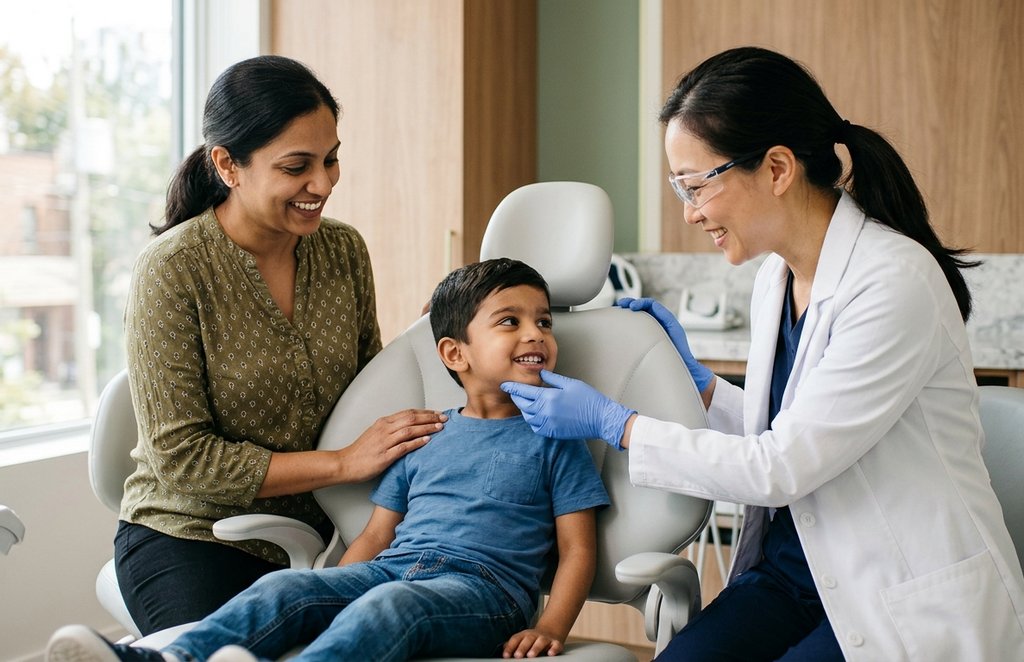
At Yonge Eglinton Dental, our team can help identify the underlying cause of dry mouth and develop tailored solutions to help your glands produce more saliva and protect your teeth and gums from harm.
Our priority is to ensure you and your family have bright, healthy smiles for life. Call our team when you need help maintaining optimal oral health – we are here to help!
Solve Dry Mouth with Help from our Dentists at Yonge and Eglinton
Contact Yonge Eglinton Dental when you are ready to optimize your oral health. We will work together to ensure your teeth and gums look great and are as strong and healthy as possible. Make an appointment for an office visit today by calling our office at 416-932-2222 or booking online. We look forward to seeing you!
Frequently Asked Questions About Dry Mouth
Is dry mouth a normal part of aging?
Dry mouth is not a direct result of aging. While many older adults experience it, the cause is usually related to their medications or other underlying health conditions that a medical professional should address.
Can dry mouth actually cause cavities?
Dry mouth significantly increases this risk. Saliva neutralizes acids and washes away bacteria. Without it, decay can develop rapidly, especially along the gum line.
Will drinking more water cure my dry mouth?
Drinking water helps manage the symptoms and supports overall health, but it will not cure the condition if the cause is medical or medication-related.
Are there medications that can stimulate saliva production? In some cases, a dentist or doctor may prescribe medications to stimulate salivary gland function. However, these are not suitable for everyone, and we typically address the root cause first.
Can I continue using my regular mouthwash?
You should check the label for alcohol. Alcohol-based mouthwashes can worsen dryness, so it is better to switch to an alcohol-free formula or one specifically designed for dry mouth.
How do I manage dry mouth at night?
Using a humidifier in your bedroom and keeping a glass of water on your nightstand can help. You should also avoid eating two to three hours before bed and consider using a dry-mouth rinse before going to sleep.
Will this condition go away on its own?
It depends entirely on the cause. If it is due to temporary dehydration, it will resolve quickly. However, if it is caused by chronic illness or long-term medication, you will likely need a long-term management strategy.